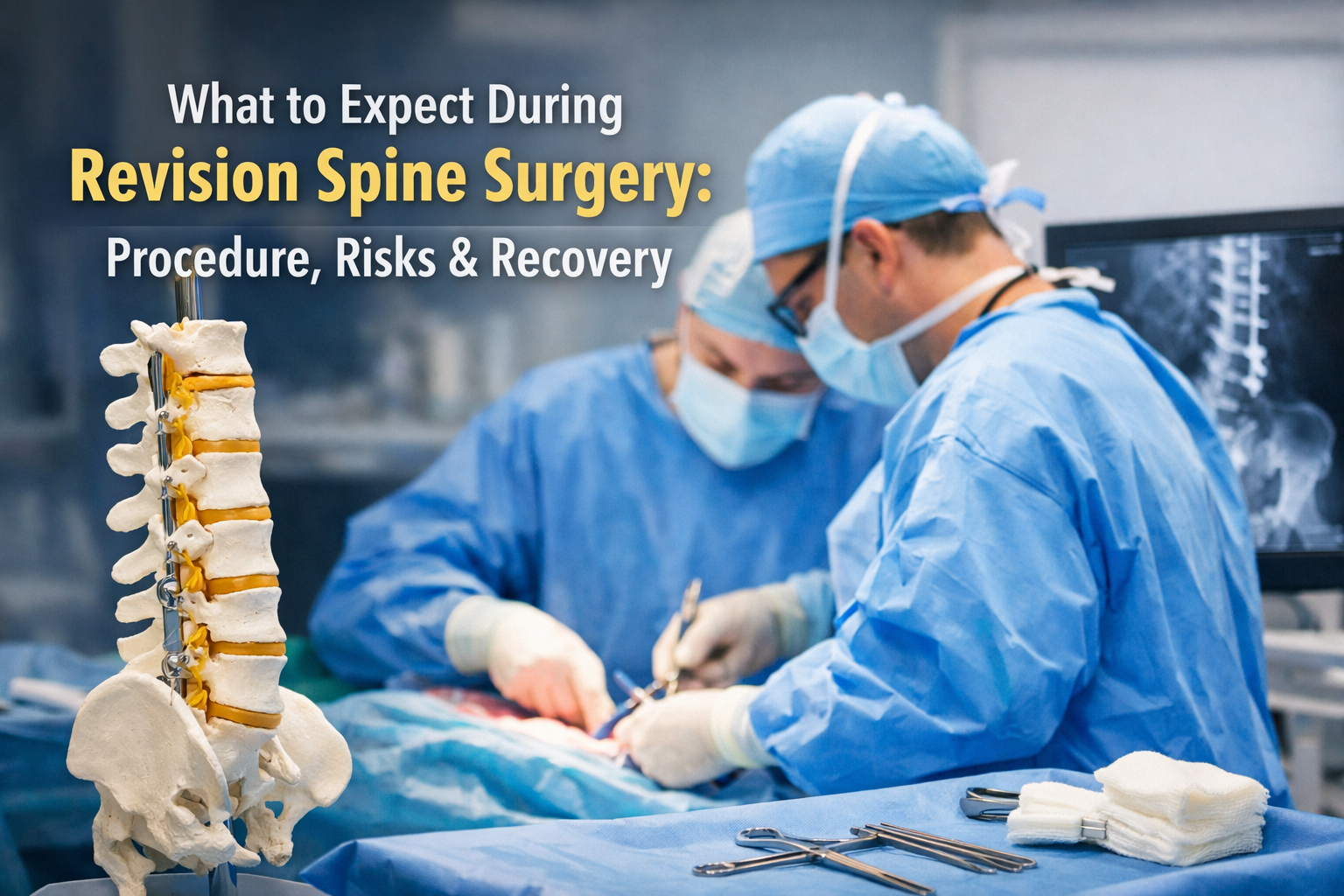
Revision spine surgery is a specialized procedure performed when a previous spinal operation has not delivered the expected results or complications have developed. Unlike primary spine surgery, this procedure is more complex due to scar tissue, altered anatomy, or implanted hardware. Understanding what to expect can help patients prepare mentally and physically for a smoother journey toward recovery.
If you are experiencing persistent back pain after surgery, nerve compression symptoms, or hardware-related issues, consulting an experienced specialist such as Dr. Ambadas Spine Surgeon can provide clarity on whether revision treatment is the right option.
Why Revision Spine Surgery Is Needed
Revision procedures may be recommended for several reasons:• Failed back surgery syndrome
• Recurrent disc herniation
• Spinal instability
• Hardware failure or implant movement
• Infection after spinal surgery
• Adjacent segment disease
A detailed spine evaluation including imaging tests like MRI or CT scans helps determine the exact cause of ongoing symptoms.
The Revision Spine Surgery Procedure
1. Pre-Surgical AssessmentBefore surgery, your spine specialist conducts:
• Detailed medical history review
• Physical and neurological examination
• Imaging studies
• Discussion of previous surgical reports
A personalized surgical plan is then created.
2. During the OperationThe surgical technique depends on the issue being corrected. It may involve:
• Removing or replacing spinal implants
• Decompressing pinched nerves
• Correcting spinal alignment
• Performing spinal fusion surgery again
The duration may be longer than primary surgery due to scar tissue and complexity.
The Revision Spine Surgery Procedure
As with any complex procedure, revision spine surgery carries certain risks:
• Bleeding
• Infection
• Nerve damage
• Blood clots
• Delayed healing
• Reduced mobility
Choosing an experienced spine surgeon significantly lowers these risks and improves outcomes.
Recovery After Revision Spine Surgery
Recovery varies depending on the procedure type and patient health.
Immediate Post-Surgery Phase• Hospital stay of a few days
• Pain management
• Early assisted movement
• Structured physical therapy
• Gradual strengthening exercises
• Lifestyle modifications
Benefits of Revision Spine Surgery
When performed correctly, the procedure can:
• Relieve chronic back pain
• Improve nerve function
• Restore spinal stability
• Enhance mobility
• Improve overall quality of life
When to Consult a Specialist
Persistent symptoms after prior spine surgery should not be ignored. Early diagnosis improves treatment success. For accurate assessment and advanced surgical care, consult our Dr. Ambadas Spine Surgeon for expert guidance tailored to your condition.
Conclusion
Revision spine surgery offers renewed hope for patients facing ongoing pain or complications after a prior procedure. With proper evaluation and skilled surgical care, successful outcomes are achievable.
Timely diagnosis, careful planning, and structured rehabilitation play a vital role in long-term recovery and restored spinal health.